Decision Records: The Missing Memory Layer for AI Coding Agents

Decision Records: The Missing Memory Layer for AI Coding Agents

4 min read

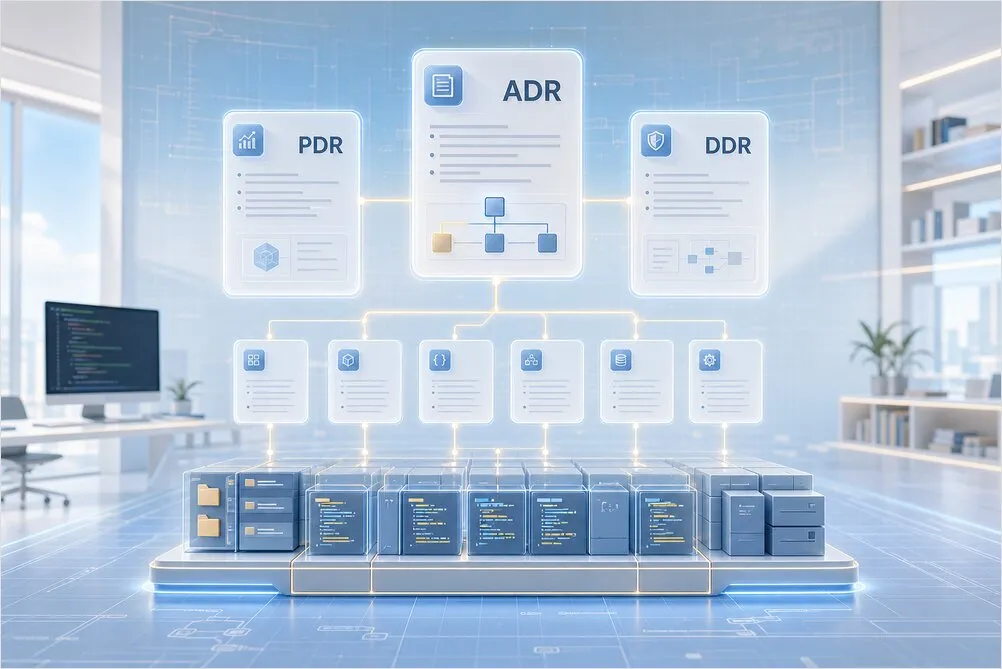
AI-generated code is cheap; judgment is scarce. When models write the code, nobody remembers why PostgreSQL beat DynamoDB, why AI emails must stay drafts, or why suggestions live in a side panel. Decision records — short, version-controlled documents capturing what was decided, why, and what was rejected — turn that judgment into durable project memory both humans and agents can read.

Spec Kit vs Kiro vs Claude Code: Picking an SDD Setup by Tradeoff, Not Hype

Spec Kit vs Kiro vs Claude Code: Picking an SDD Setup by Tradeoff, Not Hype

7 min read

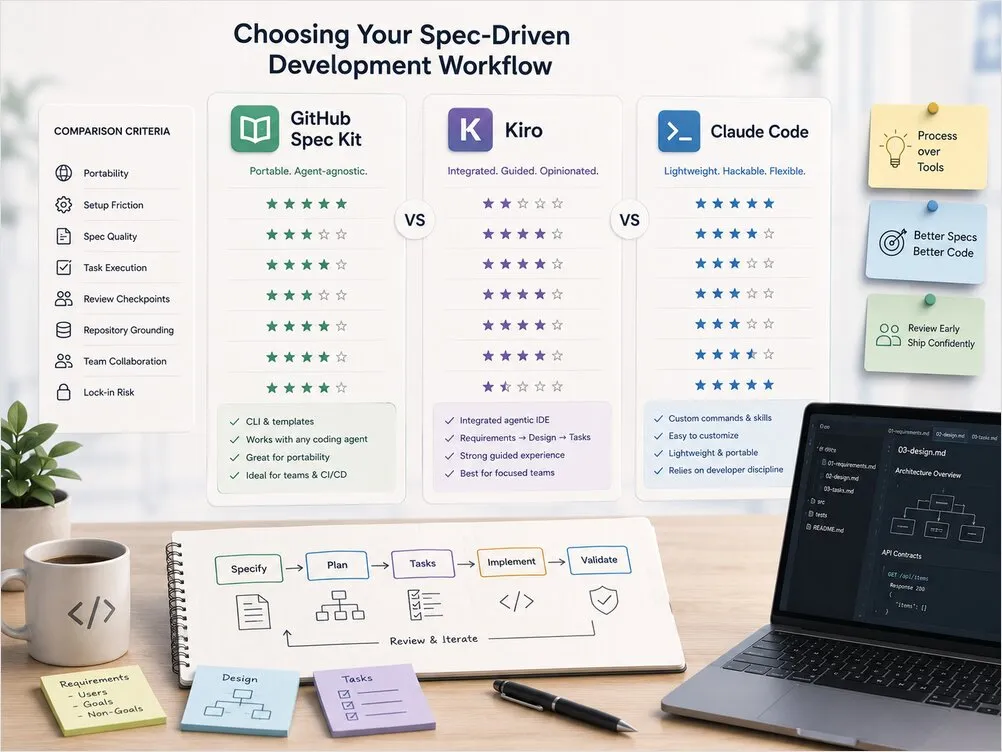
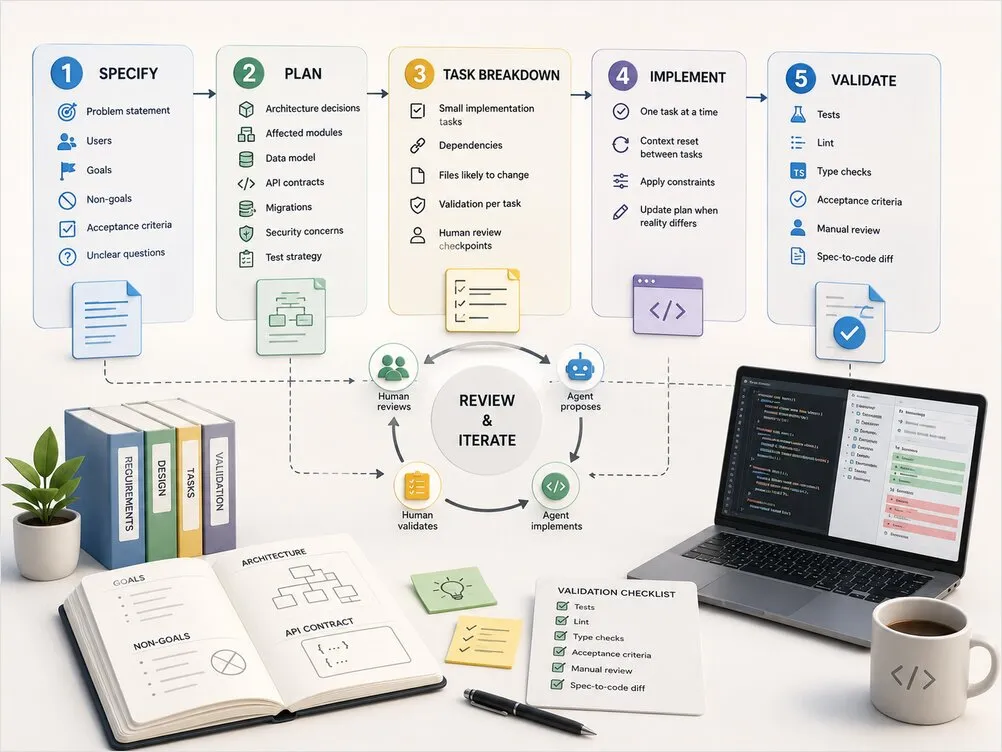
Developers comparing spec-driven setups in 2026 usually aren’t asking which model is smartest. They’re asking which workflow keeps an AI agent aligned without burying them in ceremony. Spec Kit, Kiro, and Claude Code custom workflows all implement specify-plan-tasks-implement-validate — but they bet differently on portability versus integration depth.

SDD vs Vibe Coding: Waterfall with Markdown or Controlled Iteration?

SDD vs Vibe Coding: Waterfall with Markdown or Controlled Iteration?

6 min read

Spec-driven development entered 2026 as the serious developer’s answer to vibe coding drift: implement against a reviewed specification, not an ad-hoc prompt. Hacker News called it “Waterfall Strikes Back.” Both sides have a point — and the practical question was never which side wins, but how much spec a specific task needs.

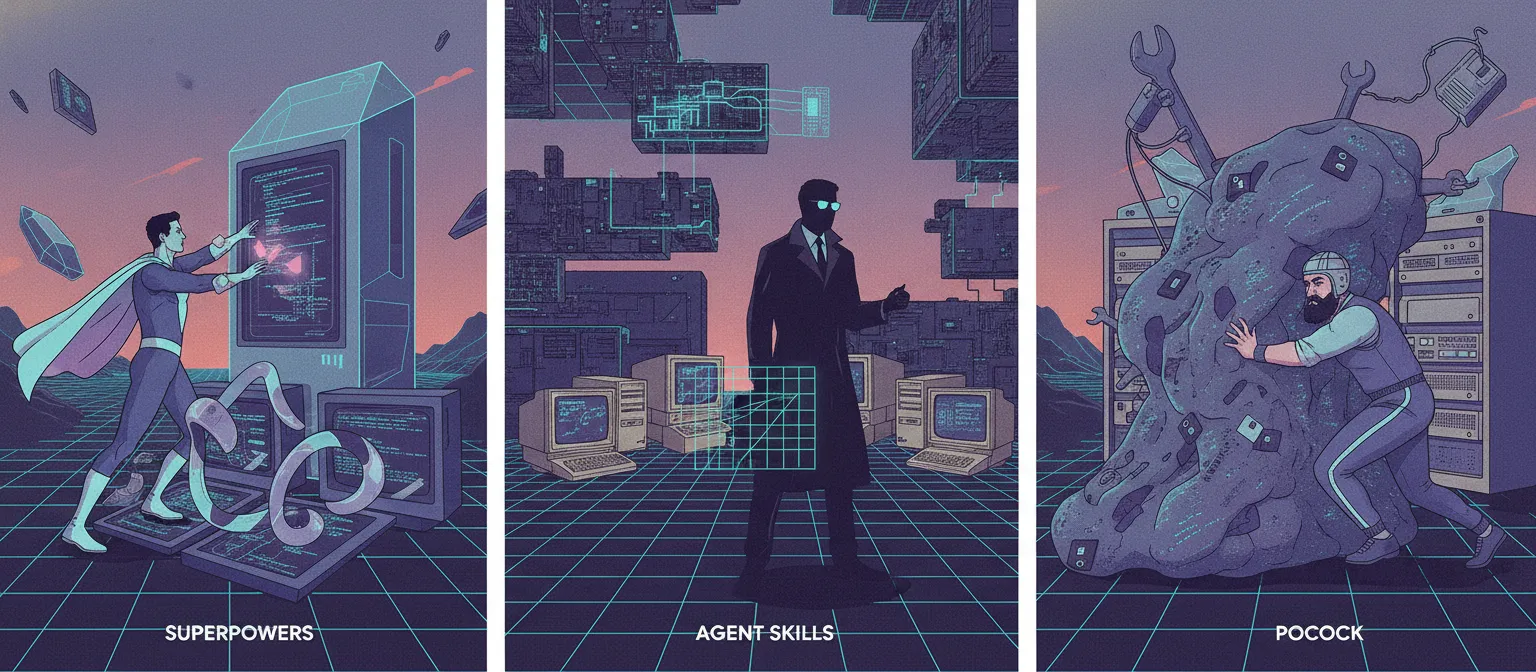
Superpowers: Enforced Spec-Driven Skills for Coding Agents

Superpowers: Enforced Spec-Driven Skills for Coding Agents

7 min read

Most spec-driven setups fail the same way: a solid plan-implement skill gets used diligently for a week, then quietly abandoned the first time a deadline gets close. Nothing in a hand-rolled skill stops that drift. Superpowers answers the discipline problem directly — a skills package that makes brainstorming, planning, subagent review, and strict TDD mandatory steps the agent checks before every task.

OpenCode CLI in Practice: Scriptable Agent Workflows That Hold Up

OpenCode CLI in Practice: Scriptable Agent Workflows That Hold Up

10 min read

OpenCode’s command-line interface turns the coding agent into a scriptable tool: the same agent environment runs in the interactive TUI and non-interactively from shell scripts, CI jobs, and Makefiles. Small tasks work within minutes, but serious use depends on repository instructions, permission boundaries, context discipline, and model selection.

Agent Skills vs MCP Servers: Where Should the Responsibility Live?

Agent Skills vs MCP Servers: Where Should the Responsibility Live?

13 min read

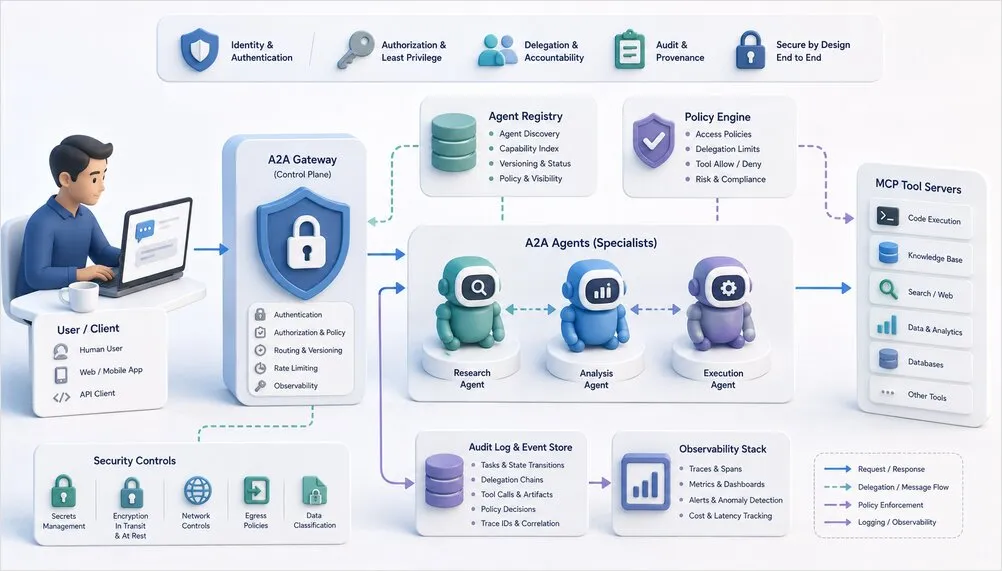
Agent skills and MCP servers are often presented as competing ways to extend an AI agent. That framing is wrong: a skill teaches the agent how to work, while an MCP server gives it governed access to live capabilities. The useful question is not which standard wins, but where each responsibility should live.

Hugo Search with Algolia and GitLab CI

Hugo Search with Algolia and GitLab CI

4 min read

Roadster’s default sidebar search sends queries to Google (or DuckDuckGo) with a site filter. That works until the corpus is large and you want typo tolerance, facets by section/tags, and results that stay on your domain. Algolia hosts the index; Hugo emits a JSON dump at build time; atomic-algolia pushes only the diff from GitLab CI after hugo succeeds.