Kilo Code: Installation and Setup Guide
In our first post, we introduced the core concepts of Kilo Code and why it’s a game-changer for agentic software development. Now, it’s time to get your hands dirty.
Proxmox Datacenter Manager (PDM) is a centralized management platform for overseeing multiple Proxmox VE clusters and Proxmox Backup Server instances from a single interface. This guide covers installation, configuration, and best practices for managing your virtualization infrastructure at scale.
The world of AI coding is moving fast. We’ve seen the rise of simple autocomplete, then the transition to chat-based assistants, and now we are entering the era of Agentic AI.
AI-powered coding assistants have become essential tools for modern developers. In this post, I’ll compare three popular VSCode extensions: GitHub Copilot, Continue.dev, and Kilo Code (kilo.io), helping you choose the right one for your workflow.
Multus CNI enables attaching multiple network interfaces to Kubernetes pods, essential for service mesh, security isolation, and high-performance networking. This updated guide for 2026 covers Multus 4.0+, Kubernetes 1.28+, and modern CNI plugins.
The early days of AI coding were characterized by “vibe coding”—a process where developers would prompt an LLM, hope for a working snippet, and manually fix the hallucinations. While fast for simple tasks, this approach often falls apart in complex, multi-file projects where “context rot” and technical debt accumulate rapidly.
Modern AI-powered IDEs have evolved far beyond simple code completion. Today’s tools like Kilo Code, Cursor, Windsurf, and Google Antigravity introduce new paradigms: autonomous agents, reusable skills, markdown rules, semantic context, and structured workflows.
As AI tools become more integrated into our development workflows, the way we configure our projects is changing. We’ve moved beyond simple .gitignore and .env files into a world where we need to provide specific “instructions” and “context” to our AI assistants.
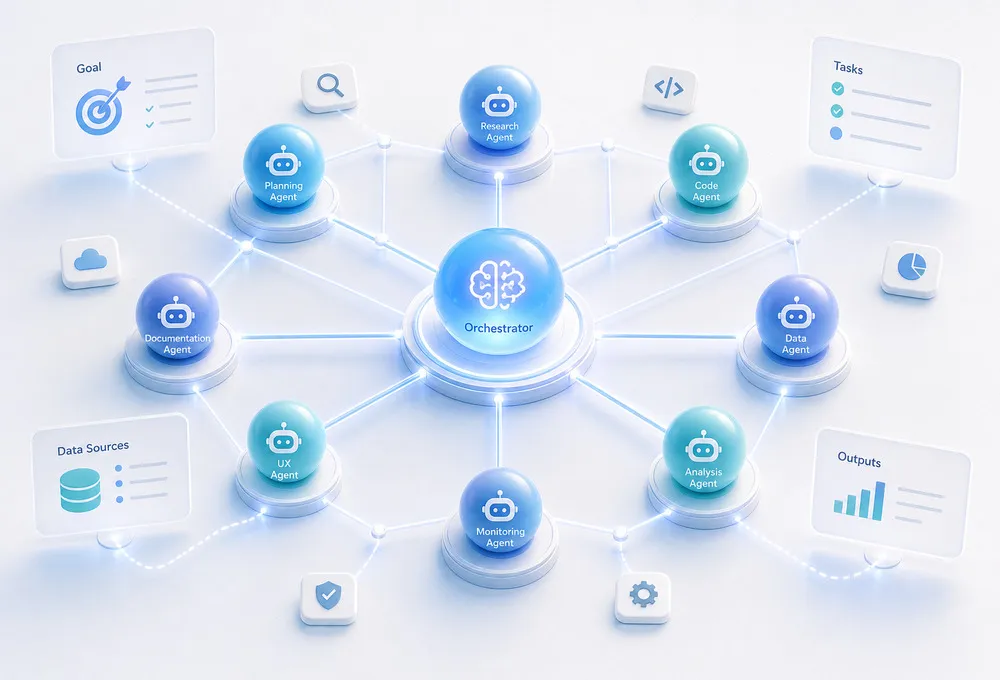
Over the past year, I’ve been working extensively with AI coding agents — intelligent assistants that go far beyond code autocompletion. These agents can plan, execute, and iterate on entire development tasks. They function like tireless pair programmers who never lose focus or context, dramatically increasing productivity when guided correctly.
The landscape of software development has shifted from “writing code with AI assistance” to “developing in AI-native environments.” While VS Code with GitHub Copilot remains the industry standard, a new breed of IDEs is challenging its dominance by integrating LLMs and autonomous agents into the very core of the editor.